In recent years, the global outdoor community has witnessed a massive shift in how people interact with nature, but nowhere is this transformation more distinct than in Japan. A unique cultural phenomenon known locally as solo camp has evolved from a niche subculture into a mainstream lifestyle trend. Thousands of individuals regularly escape the intense pressures of crowded urban environments to spend their weekends entirely alone in the wilderness. Rather than focusing on extreme survival or heavy socializing, this movement emphasizes quiet mindfulness, peaceful self-reliance, and a deep appreciation for the changing seasons.
Unlike western camping traditions that frequently revolve around large group gatherings, multi-family road trips, or high-energy backcountry hiking, the Japanese solo camping experience is heavily focused on personal comfort and deliberate slowness. The goal is to establish a compact, meticulously organized personal sanctuary where one can cook a gourmet meal, read a book, and watch a campfire without any domestic distractions. Understanding how these solitary adventurers navigate the unique landscape of managed campgrounds reveals a beautiful harmony between modern compact gear engineering and traditional values of nature worship.
The Perfect Backdrop: Finding Solitude in Managed Campsites
The success of the ソロキャンプ movement is deeply tied to the highly developed infrastructure of Japanese campgrounds, which provide a safe and reassuring environment for solitary travelers. These well-maintained sites allow individuals to experience the deep peace of the wilderness without facing the dangerous risks of completely unmanaged wilderness survival.
The Convenience of Dedicated Solo Areas
Recognizing the rapid rise of this trend, campground operators across the country have adapted by creating dedicated zones exclusively for individual travelers. These areas are separate from the noisy, high-traffic family sections, ensuring that solo campers can enjoy complete silence and privacy. Many of these managed sites offer excellent amenities, including exceptionally clean dishwashing stations, pristine flush toilets, and even access to natural onsen (hot spring) baths on the property, allowing campers to combine rugged outdoor living with deep physical relaxation.
Chasing the Beauty of the Four Seasons
Nature appreciation is a core pillar of the outdoor experience, and solo trips are carefully planned to align with the distinct shifts of the calendar. In the spring, campers pitch their shelters beneath a canopy of falling cherry blossoms, while autumn journeys are dedicated to viewing the vibrant red maples blanketing the mountain slopes. Even the freezing winter months have become incredibly popular among solo enthusiasts, who enjoy the crisp, bug-free air, the absolute silence of the snow-covered forests, and the comforting warmth of a small, personal campfire.
Optimizing the Low-Style Personal Sanctuary
Because solo campers must transport, set up, and pack away their entire campsite without any assistance, they place an immense value on space management and layout efficiency. The standard solo campsite is designed to be highly compact, keeping every essential tool within arm’s reach from a single seated position.
The Dominance of the Minimalist Shelter
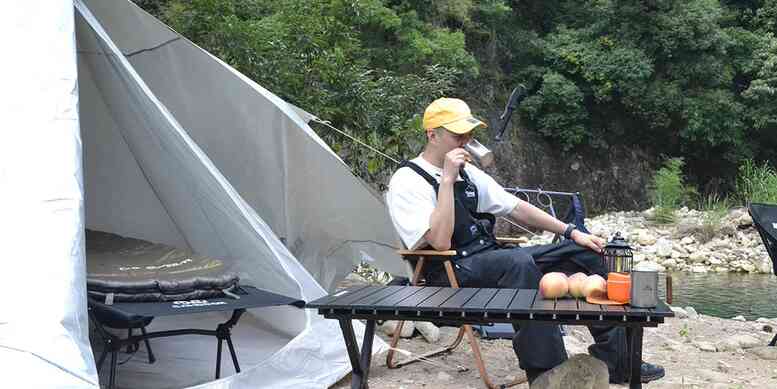
The choice of shelter for a solitary journey balances lightweight portability with reliable weather protection. Most adventurers opt for compact, single-person tents that feature integrated front canopies or versatile vestibules supported by dual trekking poles. This structural design creates a functional outdoor living room right outside the sleeping compartment, offering protection from sudden passing rain showers or intense afternoon sun while keeping the overall physical footprint of the campsite incredibly small and manageable.
The Low-Style Furniture Revolution
Within this small living zone, solo campers almost universally adopt a ground-hugging configuration known as the “low-style” arrangement. By utilizing ロースタイルチェア and matching low tables, the camper sits just a few inches off the ground, which visually opens up the space and creates an incredibly intimate connection with the surrounding earth. This seating posture also offers excellent physical stability on uneven gravel or soft forest soil, preventing the wobbling that often plagues traditional, taller camp furniture.
Essential Gear for the Solitary Backcountry Explorer
Packing for an individual trip requires a highly disciplined approach to gear selection, where every single item must justify its weight and volume in the vehicle. Japanese solo campers are masters of sourcing highly technical, compact equipment that maximizes comfort without crowding the trunk.
Compact, Low-Profile Folding Chairs
Among the most critical pieces of equipment in a solo camper’s kit is a premium, low-profile folding outdoor chair. These specialized seats feature incredibly clever collapsible frames that break down into slim, lightweight carrying cases no larger than a small rolled towel. Despite their minimal packed size, they provide exceptional back support and a relaxed recline that is perfect for spending hours lounging by the fire. The wide feet prevent the chair from sinking into soft mud, making it an incredibly reliable asset across diverse wilderness terrains.
Advanced Inflatable Sleep Systems
Achieving a deeply restorative night’s sleep is essential for maintaining physical energy when managing a campsite entirely alone. Campers rely on thick, self-inflating foam mats or multi-zone インフレータブルマット that pack down to the size of a water bottle but expand to provide a plush, supportive barrier against the hard ground. These advanced sleep systems effectively isolate the body from the cold, damp earth beneath the tent floor, ensuring that the camper wakes up refreshed and free from body aches the next morning.
The Solo Camp Kitchen: A Creative Culinary Ritual
In the world of solo camping, meal preparation is treated as a highly anticipated highlight of the trip rather than a rushed chore. Cooking alone in nature becomes a therapeutic, creative ritual where individuals can experiment with fresh local ingredients and elaborate cooking techniques without any pressure.
The Master Art of Single-Portion Cooking
Without the need to feed a large group, solo cooks focus heavily on preparing high-quality, single-portion meals using specialized compact cookware. Portable, single-burner gas stoves that operate on small fuel canisters allow for precise temperature control on a tiny tabletop. Campers frequently prepare delicate rice dishes inside traditional rectangular aluminum tins, sear high-grade local beef on miniature cast-iron griddles, or simmer comforting one-pot stews that can be eaten directly from the cooking vessel to minimize cleanup.
The Therapeutic Value of Fire Wood Preparation
Beyond the actual cooking, the process of gathering and processing firewood is a deeply satisfying ritual that helps focus a restless mind. Solo campers use small, highly balanced hand axes or heavy-duty folding saws to split large logs into precise, thin kindling suitable for small, efficient fire pits. This deliberate physical activity requires total concentration, offering a form of active meditation that completely clears away the lingering stress of modern office environments and connects the camper to the basic elements of heat and shelter.
Final Thoughts
The remarkable rise of solo camping culture highlights a profound truth about the modern human condition: sometimes, the best way to reconnect with ourselves is to step away from society and sit quietly in the wild. By utilizing highly efficient, space-saving gear like low-profile folding chairs, compact inflatable mattresses, and minimalist shelters, outdoor enthusiasts can easily establish a comfortable, stress-free oasis in any landscape. Ultimately, these solitary weekend escapes prove that true luxury is not defined by elaborate accommodations or crowded social gatherings, but by the simple freedom to lower your perspective, listen to the wind in the trees, and enjoy a quiet moment of absolute peace.