Key Takeaways
In DFW, sheet metal fabrication boosts efficiency. This leads to substantial cost savings through streamlined processes and lower operational expenses.
By applying lean manufacturing principles, companies can reduce waste and optimize resource usage. This approach can significantly boost profit margins, especially in highly competitive markets.
Utilizing advanced technologies like CNC, laser cutting, and waterjet cutting enhances precision in sheet metal fabrication. This ensures accuracy and minimizes waste of materials.
Adopting sustainable practices in material management, such as recycling and just-in-time inventory, reduces costs and improves a company’s ecological impact, appealing to environmentally conscious consumers.
Customization in sheet metal fabrication enables businesses to respond to industry-specific demands, fostering innovation and adaptability to meet diverse client specifications.
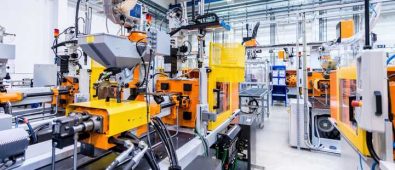
Automation and robotics integration into fabricating processes streamline operations, increase output, and uphold quality—an essential trend in today’s manufacturing landscape.
Focusing on sustainability within the manufacturing sector not only meets consumer demands but positions firms for enduring success. Eco-friendly practices have become a vital aspect of strategic planning.
Opening up Cost Savings: The True Financial Impact of Sheet Metal Fabrication
How Efficient Processes Slash Production Costs
The financial advantages of sheet metal fabrication in DFW are significant for businesses. Streamlined processes enhance overall efficiency, leading to shortened turnaround times and lower operational costs. This allows for better resource allocation.
Let’s talk about lean manufacturing principles. These often help minimize waste while maximizing productivity. It’s evident that reducing cycle times and optimizing resource allocation brings unparalleled cost benefits. In this competitive landscape, companies can outmaneuver rivals through tactical efficiency, keeping profit margins robust.
- Streamlined workflows significantly cut downtime.
- Automation boosts production speed dramatically.
- Real-time tracking improves informed decision-making.
A number of businesses are harnessing computer numerical control (CNC) technology, which drives precision. This technology limits human error, a factor that often inflates costs. Precise outcomes directly correlate with reduced material waste, which leads to lower expenses.
Material Use and Waste Reduction Strategies
Effective material management is crucial in sheet metal fabrication. By maintaining inventory control and careful planning, companies can maximally utilize their raw materials, reducing waste while improving cost-effectiveness.
Adopting advanced software can propel companies toward enhanced efficiency. With detailed modeling and simulation, firms can anticipate needs and better optimize material usage. So, how can they cut down waste? Here are a few ideas.
- Implement just-in-time (JIT)inventory systems.
- Utilize nesting softwarefor more effective blueprint planning.
- Evaluate supplier partnershipsfor better cost-effectiveness.
Minimizing material waste goes beyond improving the bottom line; it’s essential for sustainable practices.
Employing recycled materials further bolsters sustainability efforts, appealing to environmentally aware clients. Smart procurement and recycling initiatives enable companies to significantly lighten their ecological footprint, while also reaping financial benefits. This dual advantage bolsters both profitability and brand image.
Precision Engineering: Achieving Exact Specifications in Fabrication
Advanced Techniques That Ensure Flawless Designs
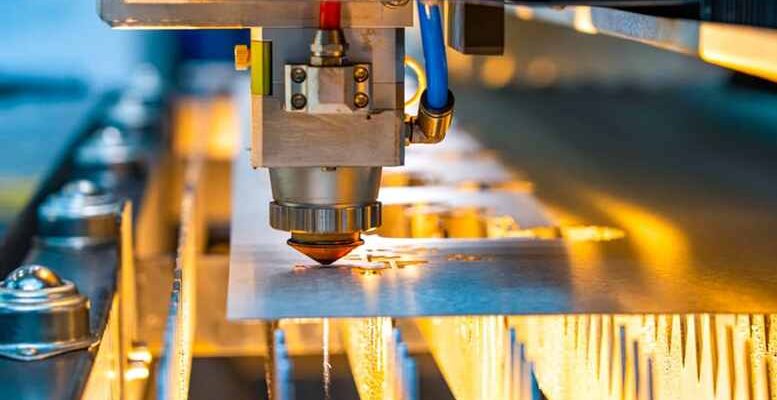
In sheet metal fabrication, precision is absolutely critical. Advanced machining techniques, such as laser cutting and waterjet cutting, deliver unmatched accuracy. These methods can create intricate designs with smooth finishes, suitable for industries that demand precise specifications.
Collaboration between engineers and fabricators during the design phase is essential. Early identification of potential challenges leads to prompt adjustments and refinements. Moreover, rapid prototyping plays a pivotal role. It provides quick feedback, allowing for iterative changes without lengthy delays.
- Laser cutting:Achieves precision down to microns.
- Waterjet cutting:Ideal for delicate materials.
- Plasma cutting:Best suited for thicker metal sections.
Precision engineering aligns seamlessly with modern design tools. Computer-aided design (CAD) software is invaluable for intricate drafting essential to contemporary projects. Clients frequently have high expectations for precision, as they need to satisfy strict industry standards. Thus, investment in such technology yields significant returns.
Quality Control: Inspections That Guarantee Perfection
Quality control shouldn’t be an afterthought; it’s fundamental. Integrating comprehensive inspection protocols throughout the fabrication process is crucial. This spans everything from raw material inspection to evaluations of finished products, yielding a robust assurance that each piece meets or surpasses set specifications.
Highlighting real-time quality control measures ensures rapid identification of potential issues. Utilizing statistical process control (SPC) allows tracking of variations, ensuring deviations are corrected before they become significant problems. But how can businesses foster a culture of quality? Here are some key practices.
- Conduct regular trainingfor employees.
- Establish clear standardsand metrics for success.
- Promote a proactive approachto quality concerns.
Quality is more than just a checkbox; it’s a culture that businesses must cultivate for sustained success.
Ultimately, strong quality control enhances customer satisfaction and drives repeat business. Clients who know they can depend on high-quality products cultivate trust, leading to lasting relationships. And that trust? It’s invaluable.
Customization Options: Tailoring Solutions to Specific Industry Needs
Meeting Unique Requirements Through Rigorous Design Flexibility
Customization within sheet metal fabrication provides avenues for tailored solutions. Every industry, from aerospace to construction, has specific demands. Companies can distinguish themselves by delivering bespoke services that meet individual client specifications impeccably.
Flexible fabrication techniques foster adaptability in design. By encouraging a culture that welcomes unique requests and innovative solutions, businesses can effectively respond to customer needs. The rapidly evolving landscape of various industries makes this increasingly critical. Clients highly value personalized designs that specifically cater to their application.
- Collaborate closelywith clients throughout the design process.
- Provide quick turnaroundfor revisions and modifications.
- Employ modular approachesfor better scalability.
Being attuned to market trends and unique client requirements enables companies to maintain a competitive edge. In a marketplace saturated with standard products, adaptability and customization are key to thriving. Precision and flexibility form the foundation for sustained success.
Case Studies: Real-World Examples of Customized Fabrication
Real-world case studies often reveal the true potential of customized fabrication. Take, for example, an aerospace manufacturer facing weight reduction challenges in their components. Partnering with a fabrication firm specializing in custom lightweight metal solutions resulted in an innovative design incorporating unique alloys. This led to a remarkable 30% weight reduction without compromising strength.
Another compelling example comes from a construction company needing tailored metal panels for an unconventional architectural project. Through close collaboration with skilled fabricators, they sourced custom-designed components that not only adhered to aesthetic criteria but also improved energy efficiency. Such success stories highlight the substantial impact of tailored solutions in sheet metal fabrication.
- Aerospace industry:Realized weight reduction in parts.
- Construction sector:Customized panels enhanced energy efficiency.
- Automotive manufacturing:Boosted performance via specification adherence.
Real-world results resonate more loudly than mere marketing claims. Custom solutions deeply engage customers.
Across various sectors, documented achievements serve as testimonials to potential clients. They build confidence and communicate the tangible benefits of tailored sheet metal solutions—an innovative approach that can reshape expectations across industries.
Future Trends: Innovations Shaping the Future of Sheet Metal Fabrication
How Automation is Redefining Fabrication Processes
Automation marks a revolutionary change in manufacturing practices. It enhances processes, cuts labor costs, and improves precision in fabrication. The use of robotics in sheet metal fabrication has shifted from theory to a standard expectation among competitive companies committed to growth and efficiency.
The question should evolve from “if” to “when” regarding investment in automated systems. Automated machines can operate continuously, resulting in substantial output increases while maintaining quality. However, human expertise continues to be vital for overseeing these technologies.
- Incorporate robotic systemsfor repetitive tasks.
- Embrace smart manufacturingfor real-time oversight.
- Utilize cloud-based solutionsfor effective data management.
Integrating artificial intelligence streamlines production planning. Companies using predictive maintenance techniques can significantly reduce downtime. As technological advancements occur, embracing innovation is essential for sustaining a competitive advantage. Future-oriented thinkers are crafting strategies that incorporate not just automation but also intelligent solutions adaptable to shifting landscapes.
Sustainability Practices That Are Becoming Industry Norms
Sustainability has taken center stage in manufacturing, especially in sheet metal fabrication. Companies now understand that eco-friendly practices are not merely trends but rather crucial responsibilities. Transitioning toward sustainable methodologies presents both ethical obligations and practical advantages.
Acknowledging the environmental effects of manufacturing processes fosters mindful decision-making. Firms can practice strategies like cutting carbon emissions and enhancing energy efficiency. Clients increasingly prefer working with sustainable manufacturers, making this approach essential for competitiveness.
- Invest in energy-efficient machineryto conserve energy.
- Optimize transportation logisticsto lessen carbon footprints.
- Establish recycling initiativesfor managing metal scraps.
Long-term success in fabrication depends on sustainability—today’s market demands it.
Leading businesses are striving not only to meet but also to exceed evolving environmental regulations. As the marketplace shifts, the most successful firms will harmonize profitability with responsible practices. The decisions made today lay the groundwork for a sustainable future—one every business should consciously aim to embrace.
FAQ
What technologies are driving innovation in sheet metal fabrication?
Technologies such as CNC machining, laser cutting, and waterjet cutting set new standards for precision and efficiency in sheet metal fabrication. These advancements enable complex designs while reducing material waste, ultimately enhancing production capabilities.
How can businesses ensure they stay competitive in the sheet metal fabrication industry?
To remain competitive, businesses should blend the adoption of new technologies with a focus on sustainability and customer-centric needs. Those who are consistently seeking process improvements and adapting to market trends will naturally position themselves ahead of the competition.
What role does customer feedback play in the customization of fabricated products?
Customer feedback is integral to the customization journey. It offers valuable insights that help guide design adjustments, ensuring products meet specific client needs and expectations. By incorporating such feedback, companies boost trust and strengthen relationships by demonstrating commitment to quality and adaptability.
How do automation and robotics impact workforce dynamics in fabrication?
Although automation and robotics enhance productivity and accuracy, they also alter workforce dynamics, necessitating new skill sets. Workers increasingly oversee automated processes and manage systems, rather than engaging in repetitive tasks—this shift enhances overall operational efficiency.
What are the environmental benefits of adopting sustainable practices in manufacturing?
Employing sustainable practices not only lessens waste and decreases energy consumption but also bolsters a company’s reputation. By adopting eco-friendly approaches, firms can attract environmentally conscious consumers and lower operating costs, creating a win-win scenario.
How can sheet metal fabrication companies better manage inventory?
Companies can enhance inventory management through just-in-time (JIT) systems that closely align stock levels with production schedules. Advanced software tools also assist in forecasting and tracking materials effectively, ensuring efficient resource usage and minimized waste.
What are some emerging trends to watch for in sheet metal fabrication?
Emerging trends encompass increased automation, a drive toward sustainability, and the implementation of artificial intelligence for smarter manufacturing practices. Staying alert to these developments will aid businesses in innovating and meeting the ever-changing demands of the market.
Why is collaboration between engineers and fabricators essential in the design phase?
Collaboration between engineers and fabricators is vital for proactively addressing design challenges early on. This cooperation ensures products meet specifications accurately while promoting efficiency, ultimately resulting in quicker turnaround times and fewer revisions.
Useful Resources
- National Institute of Standards and Technology (NIST)
- Society of Manufacturing Engineers (SME)
- American Society of Association Executives (ASAE)
- International Association of Electrical Inspectors (IAEI)
- American Productivity & Quality Center (APQC)
- Automotive Industry Action Group (AIAG)
- Istock
- Manufacturing Institute
- Institute of Industrial and Systems Engineers (IISE)