What Makes Streetwear Last Past One Season
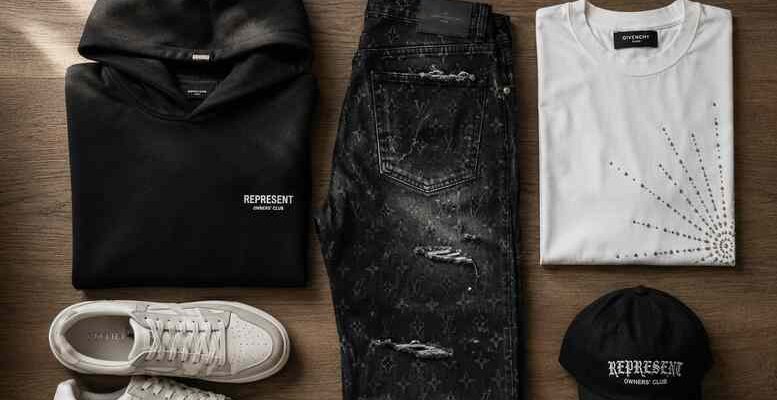
Streetwear has a credibility problem, and most people who shop it regularly already know what that problem is. The aesthetic moves quickly, drops come and go in days, and a hoodie that sat at the top of every feed in February usually looks tired by August. So why do some labels keep showing up in real closets year after year? It mostly comes down to construction. You can tell within about ten minutes of wearing a piece whether the cotton was milled for a brand that cares or sourced cheap to hit a price point. The stitch density on a properly built hoodie will be roughly 8 to 10 stitches per inch along the seams, and that single detail is the biggest predictor of how long the piece survives a normal laundry cycle. Honestly, I trust weight more than I trust marketing pick up a tee from your closet right now, and if it feels light enough to fold into a pocket, it probably won’t see a second summer. The brands worth talking about in this space share a few habits. They use heavier base cloth, usually somewhere between 220 and 320 gsm for tees, and they don’t cut corners on the trim parts you can’t see at first glance like neck tape, hem stitching, or rib finishing at cuffs and waist. Throughout this piece I’ll walk through three names that have managed to stay in regular rotation for serious buyers, what each one actually does well, and where each one has limits worth knowing before you spend.
The California Original That Refused To Fade
Stussy started in 1980 when Shawn Stussy began scrawling his signature on surfboards in Laguna Beach, and the brand pretty much invented modern streetwear from that single line. The signature became a logo, the logo became a tee, and the tee became the template every label since has either copied or reacted against. What’s interesting is how the brand kept its identity through four decades while almost every contemporary it had either folded or sold out to a luxury group. The reason, in my view, sits in two places: the script logo never got redrawn, and the design DNA stayed rooted in surf, skate, and music rather than chasing whatever runway moment was trending. The current lineup at the Stussy shop still leans heavily on that core identity, which means the basic tees, the World Tour hoodie, the 8-Ball graphic, and the stock script logo all show up in current drops the same way they did twenty years ago. That kind of consistency is rare and honestly underrated. Fabric-wise the heavyweight pieces sit at the upper end of what you’d expect from a streetwear label at this price tier, with the hoodie fleece typically running around 380 to 420 gsm depending on the drop. Fits run slightly oversized in the body with proportional sleeves, which is the streetwear silhouette most people are actually looking for. One genuine limit worth flagging color choices on the basic tees can run repetitive across drops, so if you want variety you’ll need to watch the seasonal releases more carefully.
Why Stussy Pieces Earn Repeat Wear
Here’s where Stussy separates from the brands chasing the same aesthetic, and the answer comes down to a few specific construction choices that show up in the finished garment. The list below covers what I look for whenever a new drop lands:
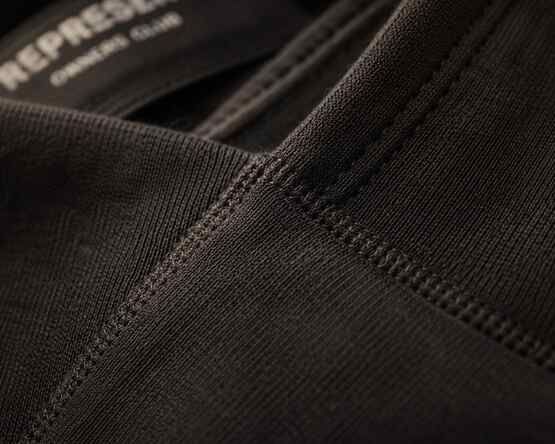
- Heavyweight cotton on the hoodiesthe brushed-back fleece holds its loft after multiple washes rather than going flat and pilled within two months.
- Reinforced ribbing at the cuffs, hem, and hood openingthis is the detail that keeps a hoodie looking sharp at the six-month mark instead of stretched and sagging.
- Tight screen-print registrationgraphics line up properly and don’t crack along the stretch lines where cheaper prints fail first.
- Proper neck tape on the teesthe inside collar is bound, which prevents the curl-and-stretch that ruins most fast-fashion tees.
- Drawcord aglets that don’t disintegratesmall thing, but the tipped ends on the hood drawstrings hold up where plastic tips on cheaper hoodies fall off in the dryer.
Each of these points adds maybe a few dollars to the manufacturing cost per unit, but the cumulative effect is a piece that still looks intentional after a year of normal wear. That’s the whole reason the brand has stayed in the conversation while flashier labels have come and gone, and it’s also why secondhand Stussy from the 90s still sells for solid money on resale platforms today.
The Luxury Side Of The Same Conversation
If Stussy represents the pure streetwear lineage, Amiri sits in a different lane entirely while pulling from the same cultural roots. Mike Amiri launched the label in 2014 in Los Angeles, and within a few years it became one of the most visible luxury streetwear names in the world, partly because the brand cracked a code most others missed. The trick was treating denim like a craft object, with hand-distressing, leather panel work, and the bandana-print MA monogram that became instantly recognizable on red carpets and in NBA tunnel walks. The pricing reflects this a pair of jeans from the brand typically lands in the four-figure range at standard retail, which puts it firmly in luxury territory rather than streetwear pricing. The full lineup runs deep, covering everything from the MA-1 sneakers and Skel-Top low-tops to the Bones Varsity jackets and the staggered logo shorts that show up across the Amiri catalog. What stands out about the brand is how it handles its hardware and finishing the metal trims weigh more than the plastic alternatives most contemporaries use, the leather panels are real grain rather than printed, and the embroidery sits flat against the fabric rather than puckering after a wash. There’s also a fair criticism worth making, since the price gap between Amiri and comparable streetwear can be hard to justify if you’re mainly after the look rather than the materials, and some of the more graphic-heavy drops can date quickly compared to the staple pieces.
What Sits In The Amiri Range Right Now
When you actually scan the current collection it becomes clear how the brand has expanded beyond its denim origin into a complete wardrobe play. Below are the pieces that anchor the lineup right now:
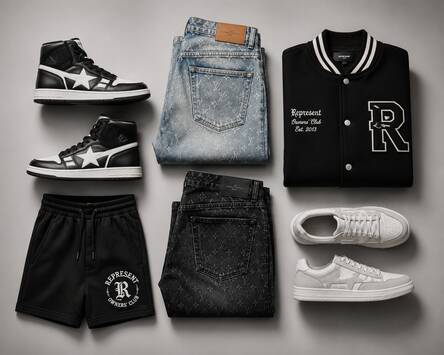
- MA-1 sneakersthe signature high-top with the leather star applique, available in multiple colorways and arguably the most recognizable single piece in the catalog.
- MA Court Low sneakersa cleaner court-style silhouette for buyers who want the brand identity without the chunkier MA-1 profile.
- Bones Varsity jacketthe jacket with bone-shaped chenille appliques that became a statement piece across hip-hop and basketball circles.
- Staggered Logo shortsfleece-back cotton shorts with the stacked logo embroidery, the most casual entry point into the brand.
- MA Monogram denimdistressed jeans carrying the all-over bandana print, available in light and dark blue washes with the signature paint splatter detailing.
- Logo print teesthe entry-level pieces in the lineup, still priced well above standard streetwear but built with heavier jersey than the price tier average.
The interesting thing about the Amiri range is that almost every category gets the same finishing standard, which is unusual at this price level since many luxury brands cut quality on accessories while keeping it premium on flagship pieces. There’s no shortcut on stitching here whether you’re buying a tee or a varsity jacket, and that consistency is genuinely the strongest argument for the price tag.
The Newer Name Building Quietly In The Same Space
Mixed Emotion came into the streetwear conversation more recently than the other two, and the approach is different in a way that’s worth pointing out. Where Stussy leans on heritage and Amiri leans on luxury construction, Mixed Emotion focuses on emotional naming and design intent every piece has a mood attached to it like Angel, Astronaut, Ranger, or Goblin, and that small touch makes the lineup feel less like fast fashion graphics and more like a curated collection. The rhinestone work on the hoodies and tees gets heat-pressed deep enough to survive a standard washing machine cycle, which is rare for crystal embellishment that usually starts shedding after a few washes on most other brands. The monogram denim comes in four washes including black, blue, grey, and light blue, giving you real wardrobe flexibility rather than just one signature wash to commit to. Pricing sits in a more accessible range than the luxury comparison, with hoodies typically landing in the $70 to $90 zone after sale pricing, which is roughly where Stussy basics also sit but with more graphic personality built into the design language. You can find the full lineup including the rhinestone pieces, the cargo pants, and the camo shorts at the Mixed Emotion store. To be fully transparent though, the brand is still building its reputation, which means resale value and long-term collector appeal won’t match what you’d see on heritage names, and that’s a real consideration if you treat clothing as investment pieces rather than just wardrobe.
Building A Wardrobe Across All Three
So how do you actually mix pieces from three brands sitting at different price tiers without ending up with a closet full of disconnected items? The honest answer is that streetwear works best when the silhouettes match even when the labels don’t. Start with bottoms that work across all three aesthetics, which usually means a darker wash baggy jean or a clean black cargo, because those neutrals let the top half carry the visual interest without the outfit fighting itself. A heavyweight Stussy hoodie in a basic colorway pairs surprisingly well with a Mixed Emotion rhinestone tee underneath, since the simple outer layer doesn’t compete with the detailed inner piece. Footwear gets tricky because the brands have different sneaker languages, but a clean low-profile silhouette like a New Balance 550, an Adidas Campus, or a Vans Old Skool tends to work across the board without locking you into one specific brand identity. The thing I’d flag is that mixing pieces too aggressively can read as confused rather than considered, so the rule I follow is two pieces from one brand and one accent piece from another, which keeps the outfit grounded in a clear visual direction. Layering matters more than people realize, and a relaxed-fit tee under an open shirt or a light jacket gives you room to mix textures and brand identities without making the outfit feel costume-y. Lastly, weight matters here too pairing a heavyweight hoodie with lightweight bottoms balances the silhouette, while doubling up on heavyweight pieces tends to look bulky in person even when it photographs fine.
Where The Honest Limits Sit
Every streetwear label has trade-offs, and pretending otherwise is the kind of marketing-speak that makes shopping advice useless. Stussy is sometimes criticized for sticking too closely to its heritage, which is also its biggest strength but can feel repetitive across drops if you’re chasing variety. The brand also doesn’t push hard into experimental cuts or technical fabrics the way some newer Japanese labels do, so if you want streetwear pushing into new construction territory, the legacy approach can feel conservative. Amiri faces the opposite problem, since the pricing puts it out of reach for most everyday buyers, and the heavy logo presence on some pieces means resale demand can swing quickly when the cultural cycle moves on. The brand is also more dependent on celebrity visibility than the others, which makes long-term value harder to predict than it would be with a more grounded heritage label. Mixed Emotion is still building scale, which means the size range can run shallow on popular pieces and sizing consistency across drops isn’t yet as locked-in as larger brands manage. The flip side is that buying earlier from a growing label often means owning pieces that become harder to find in a few years, and the rhinestone construction quality genuinely holds up, which I’ve tested personally on a hoodie that’s been through about fifteen washes without losing crystals. Knowing these limits ahead of time makes the purchase decision cleaner because you’re buying with realistic expectations rather than chasing a marketing fantasy that doesn’t survive the first wash cycle.
Final Words
Streetwear that actually earns its place in your wardrobe shares a few habits regardless of price tier, and the three brands covered here each hit those habits from different angles. Stussy delivers heritage construction with the surf-and-skate identity intact, Amiri pushes luxury finishing into streetwear silhouettes for buyers willing to pay for it, and Mixed Emotion offers emotional design language with accessible pricing for people building a wardrobe rather than collecting one. None of these labels is the right answer for everyone, and the smartest move is usually to pick the brand that matches how you actually dress rather than the one with the most visibility on your feed. Start with one piece, wear it for a full season, and let the construction prove itself before you commit to a full lineup. That’s how serious wardrobes get built slowly, intentionally, and with pieces you’ll actually wear past the next drop.
Frequently Asked Questions
Are heavyweight streetwear hoodies really worth the extra money?
For most regular wearers, yes a 380 to 420 gsm fleece hoodie holds its shape and warmth through far more washes than a 280 gsm budget version, so the per-wear cost over a couple of years usually works out better even though the upfront price is higher. The exception is if you only wear hoodies occasionally, in which case a mid-weight piece will serve you fine without the premium spend.
How do I tell if a streetwear tee is properly constructed before buying?
Check three things the weight of the cotton (anything under 200 gsm feels flimsy in hand), the neck tape on the inside collar (a bound neck means the tee won’t curl after washing), and the side seams (twin-needle stitching holds up much longer than single-needle). You can usually tell within a minute of handling the garment in person.
Do streetwear brands like these have unisex sizing?
Most pieces are designed with a unisex cut in the main body silhouettes, though the official size charts usually list men’s measurements. Women buying these brands typically size down by one or two from the men’s chart depending on whether they want the relaxed streetwear fit or a closer body shape, and almost every product page lists the actual chest and length measurements for cross-referencing.
Is rhinestone embellishment durable enough for regular wear?
It depends entirely on application method properly heat-pressed crystals at the right temperature and pressure will survive normal washing machines on a regular cycle, while glue-applied rhinestones start shedding within a few washes. Turn the garment inside out, use cold water, and skip the dryer to extend the life of any rhinestone piece regardless of brand.
Should I buy luxury streetwear like Amiri or stick with mid-tier brands?
Honestly, it comes down to what you value in the piece. Luxury streetwear gets you better materials and finishing along with a higher cultural signal, but the price premium isn’t justified by construction alone since plenty of mid-tier brands match the basic quality at a fraction of the cost. If the brand identity matters to you and the price doesn’t strain the budget, luxury makes sense otherwise, mid-tier is the smarter spend.
Read More: postgresql connector